Strategic Payment Choices Creating VIP Pathways Between Slots and Live Tables
Written by Ines Baumann · Sep 28, 2026
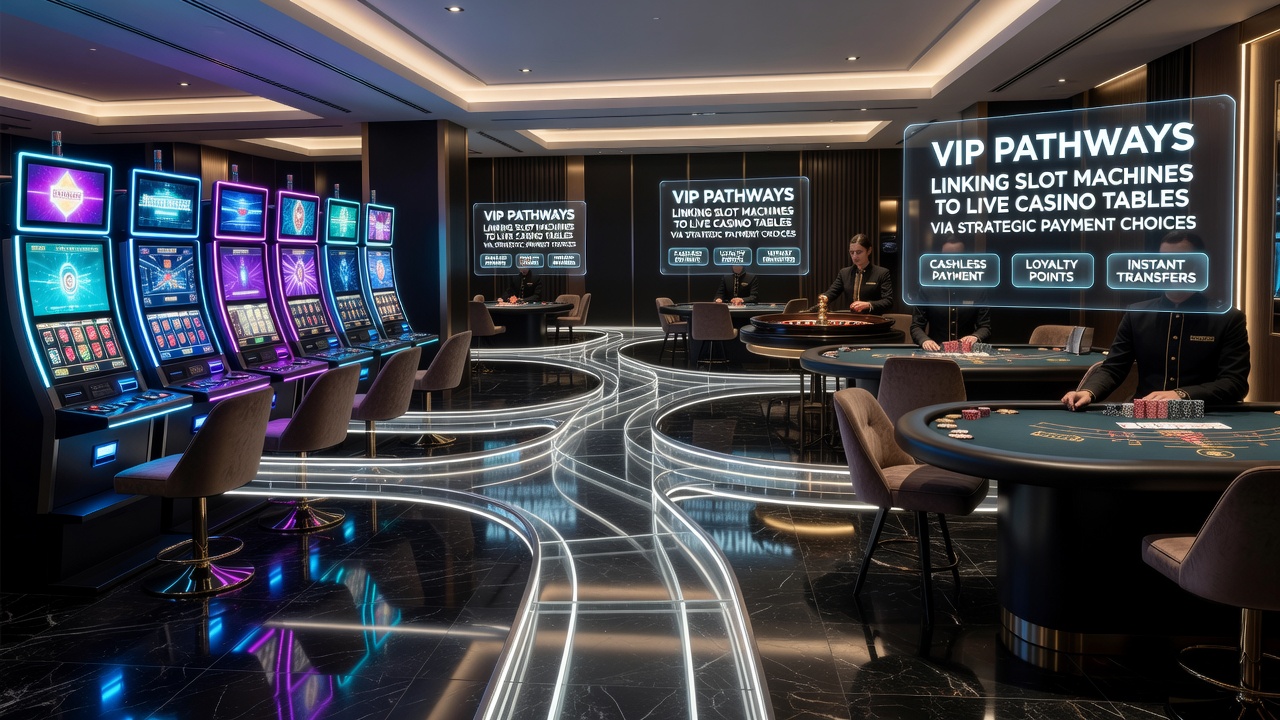
Strategic Payment Choices Creating VIP Pathways Between Slots and Live Tables
Payment systems in modern casino environments enable high-value players to move between slot machines and live dealer tables through structured loyalty frameworks and transaction options that carry rewards across game categories, according to industry reports from the American Gaming Association. These mechanisms operate via instant deposit methods, bonus structures tied to account activity, and tiered programs that track total wager volume regardless of the specific game format chosen at any moment.
Core Mechanics of Cross-Game Payment Integration
Slot play often serves as an entry point where rapid deposits through digital wallets or card options generate immediate loyalty points, and those same points convert into credits usable at live tables without separate registration steps. Observers note that transaction speed becomes central because delays in processing can interrupt momentum, whereas instant transfers maintain player engagement across both machine-based and table-based offerings. Data shows many platforms apply unified account balances, so funds deposited for slots remain accessible for live roulette or blackjack sessions, reducing friction that might otherwise keep participants in one game type.
Strategic choices emerge when players select payment providers offering cashback or multiplier rewards that scale with total activity, and these incentives frequently apply equally to electronic slots and live dealer environments. Researchers at the University of Nevada, Reno have documented how such unified systems encourage longer overall sessions because the same deposit triggers progress in a single VIP ladder that spans multiple game formats.
Role of Loyalty Structures in Facilitating Transitions
VIP pathways rely on payment-linked loyalty tiers where deposit frequency and size determine access to exclusive table limits or personalized live dealer experiences, and slot-generated points contribute directly to these thresholds. Figures from Canadian provincial gaming authorities reveal that operators using integrated payment ledgers report higher movement between game categories among players who reach mid-tier status within the first three months of activity. This occurs because bonus funds earned on slots carry over automatically, allowing participants to test live tables without additional out-of-pocket deposits.
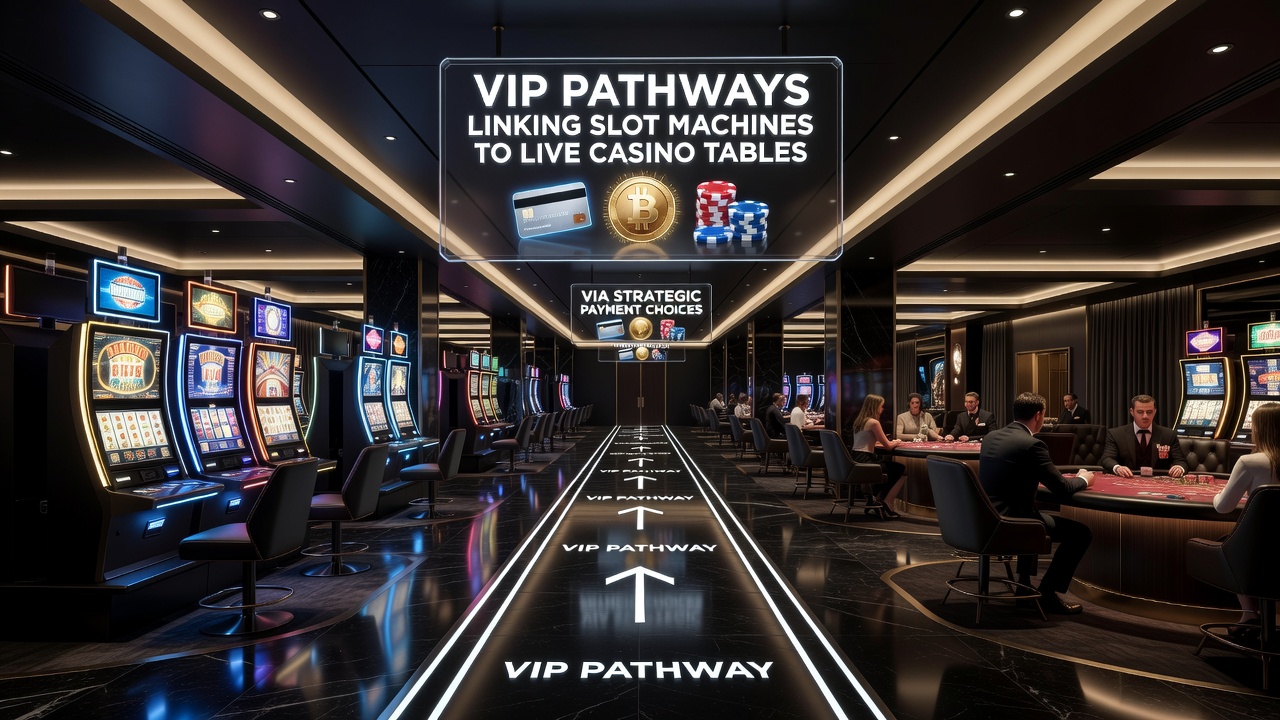
Payment timing also matters, since many programs release milestone rewards at the end of each calendar month, and September 2026 data from several North American operators indicated increased table traffic following slot-heavy deposit periods. Those who've studied transaction logs find that players who activate instant payout features on slots tend to redirect portions of winnings toward live play within the same session, sustaining the pathway effect.
Examples of Payment-Driven Movement Patterns
One documented pattern involves players funding accounts through e-wallet services that award extra spins on slots, after which accumulated winnings transfer seamlessly to live table buy-ins. Another involves credit card deposits that unlock tiered cashback percentages applied across all game types, prompting users to explore live dealer options once slot targets are met. Industry analysts tracking these behaviors note consistent use of the same payment method throughout a session, because switching providers can reset loyalty counters or delay bonus releases.
Take one operator in a regulated European market that introduced unified deposit bonuses in early 2026, and subsequent internal metrics showed a measurable rise in players completing slot sequences before moving to live tables within thirty minutes. Similar observations appear in Australian regulatory summaries, where linked payment accounts correlated with broader game exploration among loyalty members.
Data Trends Supporting Payment Strategy Effectiveness
Transaction volume statistics indicate that platforms emphasizing instant transfers between game wallets experience higher VIP retention rates, while slower methods correlate with shorter overall engagement. Research compiled by the National Council on Problem Gambling in the United States highlights that clear payment pathways reduce decision friction, allowing participants to maintain activity across slots and live tables without repeated funding steps. As of September 2026, several multi-jurisdictional operators reported that VIP accounts using strategic payment selections showed elevated cross-category play compared with standard accounts.
These patterns hold across regions because payment integration operates independently of specific regulatory details, relying instead on technical account architecture that treats all game types as part of one balance ecosystem. Evidence suggests continued refinement of these systems as transaction technologies advance, with operators prioritizing methods that minimize conversion delays between slot credits and live table stakes.
Conclusion
Strategic payment choices therefore function as connectors within casino ecosystems by carrying rewards, balances, and loyalty progress from slot machines directly to live casino tables, and available data from multiple regulatory and research bodies confirms the operational reality of these pathways. Players who align deposit methods with unified loyalty structures gain access to seamless transitions that support extended participation across both game formats.